Stone Care & Material Guides
Different stone types possess unique physical densities, chemical configurations, and pore dimensions. Select your material below to understand its vulnerabilities and preservation guidelines.
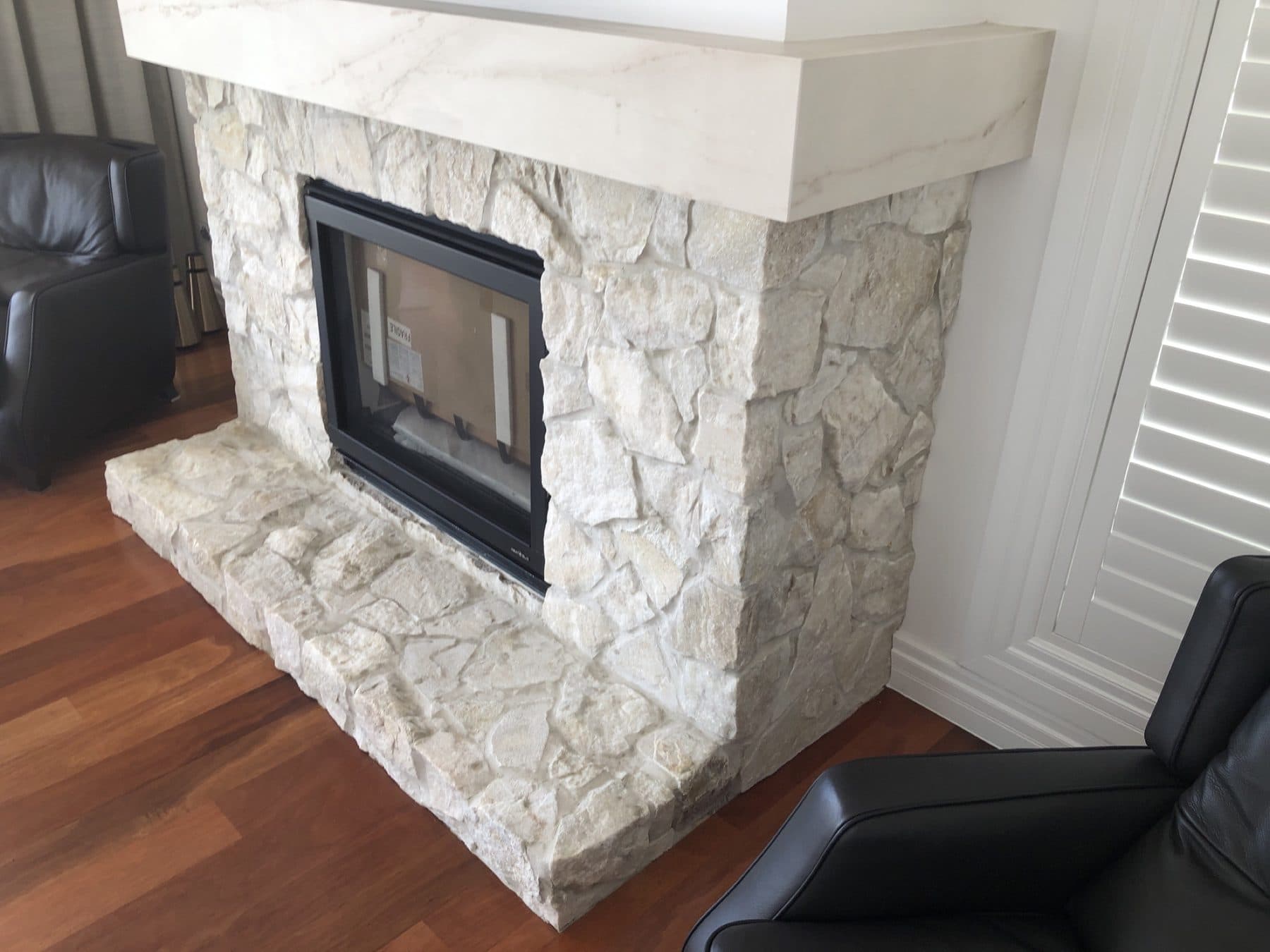
Travertine Care
Understand natural voids, resin filling, and pool coping maintenance guidelines.
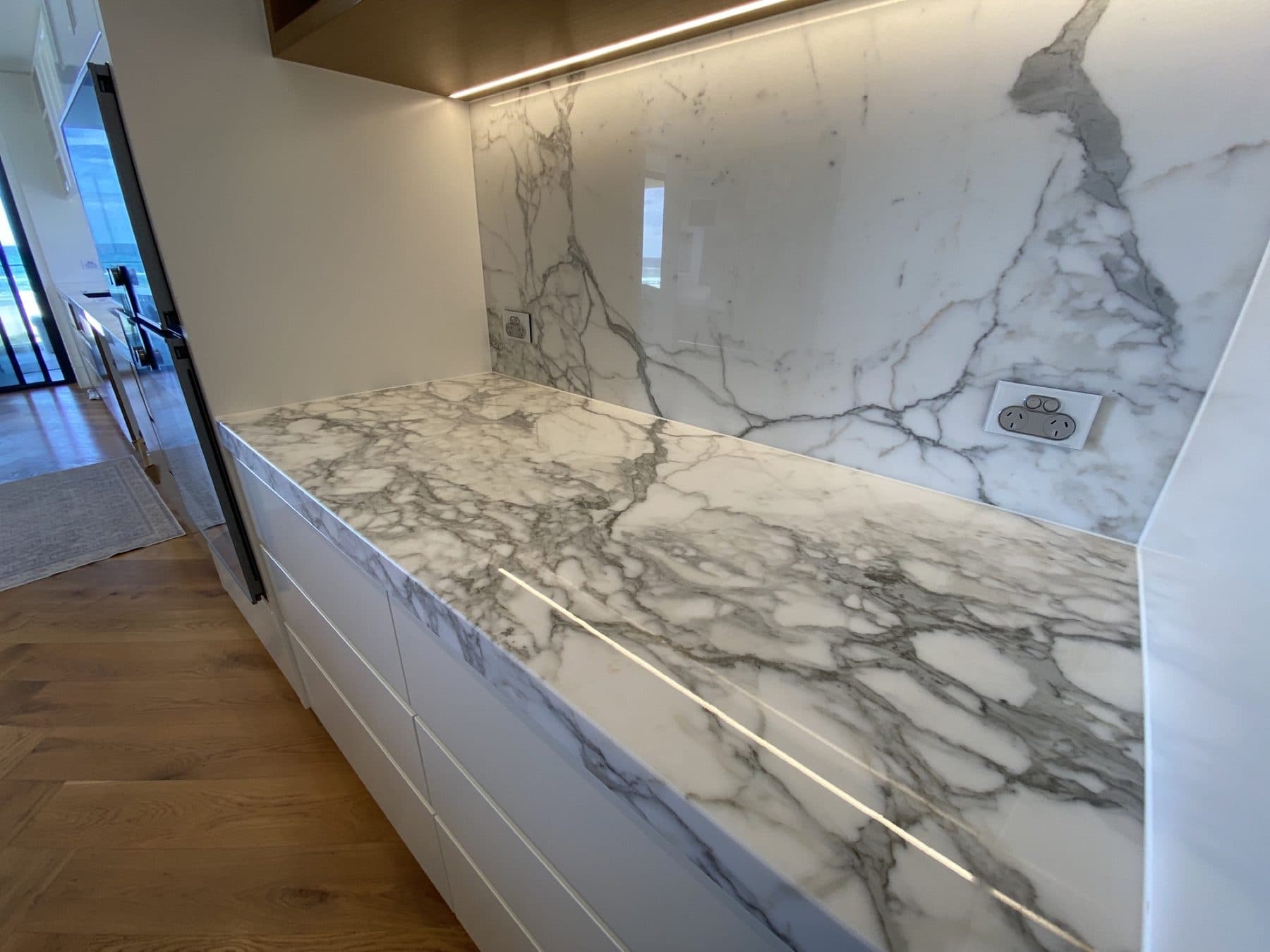
Marble Care
Honing, acid etching repair, deep scratch polishing, and stain protection.
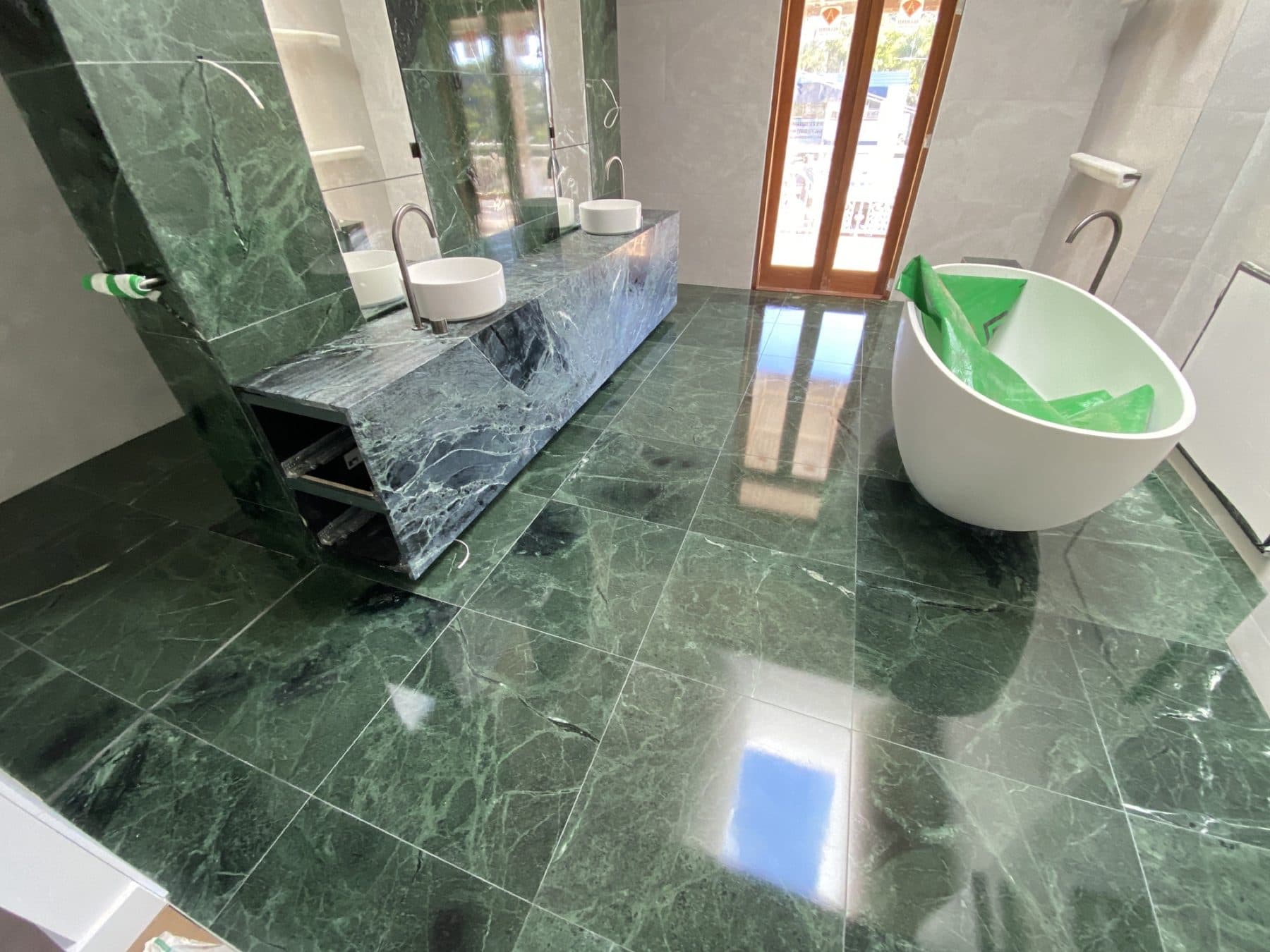
Granite Care
Tough igneous stone sealing, impact chip filling, and heavy kitchen bench maintenance.

Terrazzo Preservation
Heritage restoration methods, old wax stripping, and diamond honing for composite floors.
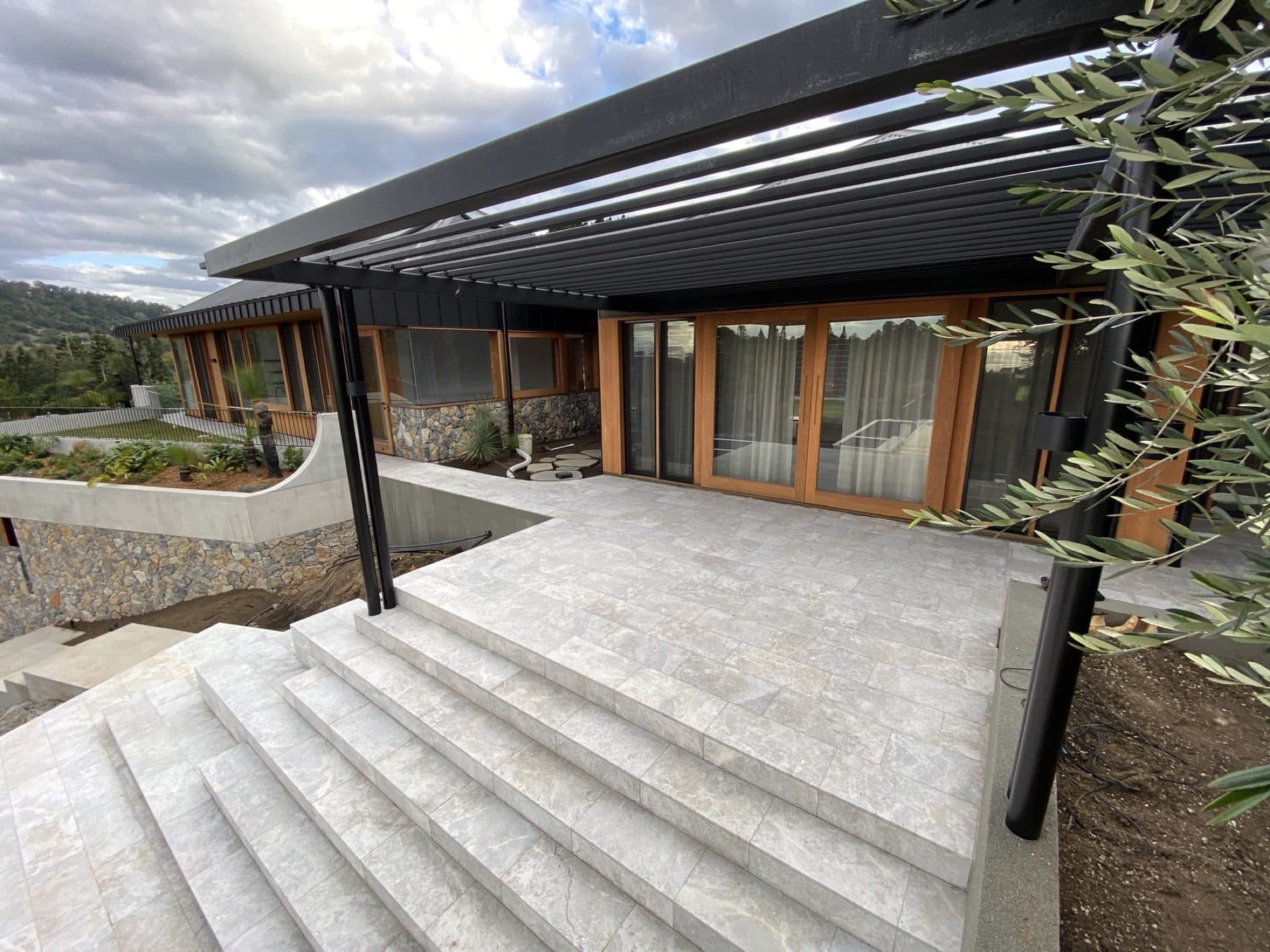
Sandstone Protection
Soft sedimentary stone deep washing, algae removal, and coastal salt water defense.
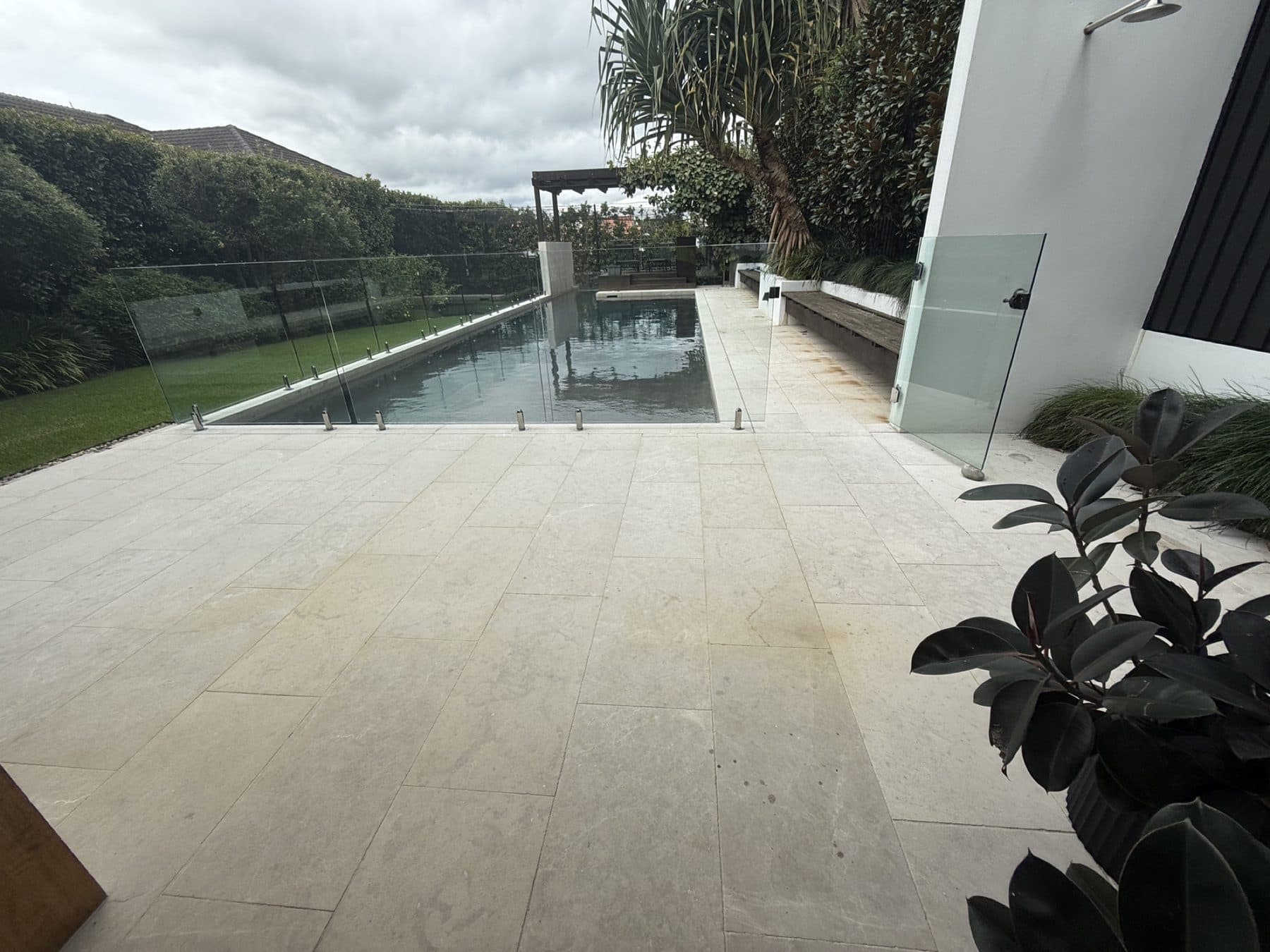
Limestone Guidance
Acid etching protection, water marks prevention, and low-pressure cleaning guidelines.
“Sealers do not prevent acid etching. They never have, and they never will.”
Penetrating sealers sit inside the pores of the stone to block absorption of oils and water. Acid etching is a chemical reaction between acidic liquids (lemon juice, vinegar, wine) and the calcium carbonate in the stone itself, dissolving the surface. Only topical barriers like TuffSkin can prevent acid etching.